704-BLOSSOM
We Do Not Handle Chapter 13 Bankruptcy Matters
What Is a Debt Validation Letter and Why Does It Matter?
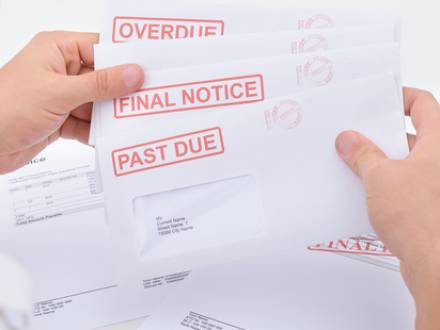 If a debt collector has contacted you about money you may or may not owe, you don't have to just take their word for it. Federal law gives you the right to demand proof before you pay anything. That tool is called a debt validation letter, and knowing how to use it could save you from paying a debt that isn't yours, isn't accurate, or has already been paid.
The Consumer Financial Protection Bureau received approximately 207,800 debt collection complaints in a recent year, and 45 percent of those complaints involved debts that consumers said they did not recognize or owe. Whether you're an individual or a small business owner dealing with aggressive collectors, a Mecklenburg County, NC creditor harassment lawyer can help you understand your rights and use them effectively.
What Is a Debt Validation Letter?
A debt validation letter is a written request to a debt collector asking them to prove that the debt is real and that they have the right to collect it. It is different from simply disputing a charge with a creditor. This letter invokes your rights under federal law and puts legal obligations on the collector.
When you send a debt validation letter, you are asking the collector to confirm:
- The total amount of the debt and how it was calculated
- The name of the original creditor
- Proof that the collection agency owns the debt or has the authority to collect it
- Documentation showing the debt actually belongs to you
Until the collector responds with proper verification, they are required by law to stop collection activity.
What Rights Do You Have Under Federal Law When a Creditor Comes for You?
The Fair Debt Collection Practices Act (FDCPA), 15 U.S.C. § 1692g, gives you the right to request validation of any debt a third-party collector is trying to collect. The law requires collectors to send you a written validation notice within five days of first contacting you. That notice must include the amount owed, the name of the creditor, and a statement that you have 30 days to dispute the debt.
If you notify the debt collector in writing within that 30-day period that the debt is disputed, the collector must stop collection activity until they obtain verification of the debt and mail it to you. This is one of the most powerful tools available to consumers and businesses dealing with collection agencies.
It is important to note that failure to dispute the debt during the 30-day period cannot be treated by any court as an admission that you owe it. In other words, silence does not equal guilt, but acting quickly gives you the strongest legal protection.
Can Small Businesses Use a Debt Validation Letter?
Debt collection issues are not limited to individual consumers. Small businesses also receive collection calls and letters, sometimes for debts that are inaccurate, already resolved, or the result of billing errors by vendors or service providers.
The FDCPA primarily covers consumer debts, but many states, including North Carolina, have additional protections and common law remedies that may apply to business-related collection disputes. If a collector is using harassing or deceptive tactics against your business, you may still have legal options worth exploring.
How Do You Send a Debt Validation Letter?
To protect yourself, follow these steps when sending a debt validation letter:
- Act within 30 days of receiving the collector's first notice.
- Put it in writing. Oral disputes do not trigger your full legal rights under the FDCPA.
- Send it via certified mail with a return receipt requested, so you have proof of delivery.
- Keep a copy of the letter and the green return receipt card for your records.
- Do not include payment with the letter. Sending money can be seen as acknowledging the debt.
If you are unsure whether your letter is legally sufficient or whether a collector's response meets the requirements of the FDCPA, speaking with an attorney before you respond is a smart move.
Contact Our Charlotte, NC Creditor Harassment Attorney Today
At Blossom Law PLLC, we represent both individuals and small business owners dealing with aggressive or unlawful debt collection. Having owned a barber shop himself, Attorney Blossom understands firsthand how hard it can be for small businesses to get solid legal advice at a price that makes sense.
If a collector has ignored your validation request, kept calling, or reported an unverified debt, you may have grounds for a legal claim. Call a Mecklenburg County, NC creditor harassment lawyer today at 704-256-7766 to schedule a consultation.


From our office in Charlotte, we serve clients throughout Mecklenburg County, Union County, and Gaston County, including Concord, Gastonia, Huntersville, Belmont, Davidson, Cornelius, Harrisburg, Matthews, Monroe, Fairview, Stanley, and Bessemer City, as well as other communities across North Carolina.
126 N McDowell St 2nd Floor, Charlotte, NC 28204
704-256-7766